
Hyaluronic Acid for the Skin – Effects, Benefits and Use
What does hyaluronic acid do? Find out how the active ingredient provides moisture, softens wrinkles and visibly plumps up the skin.
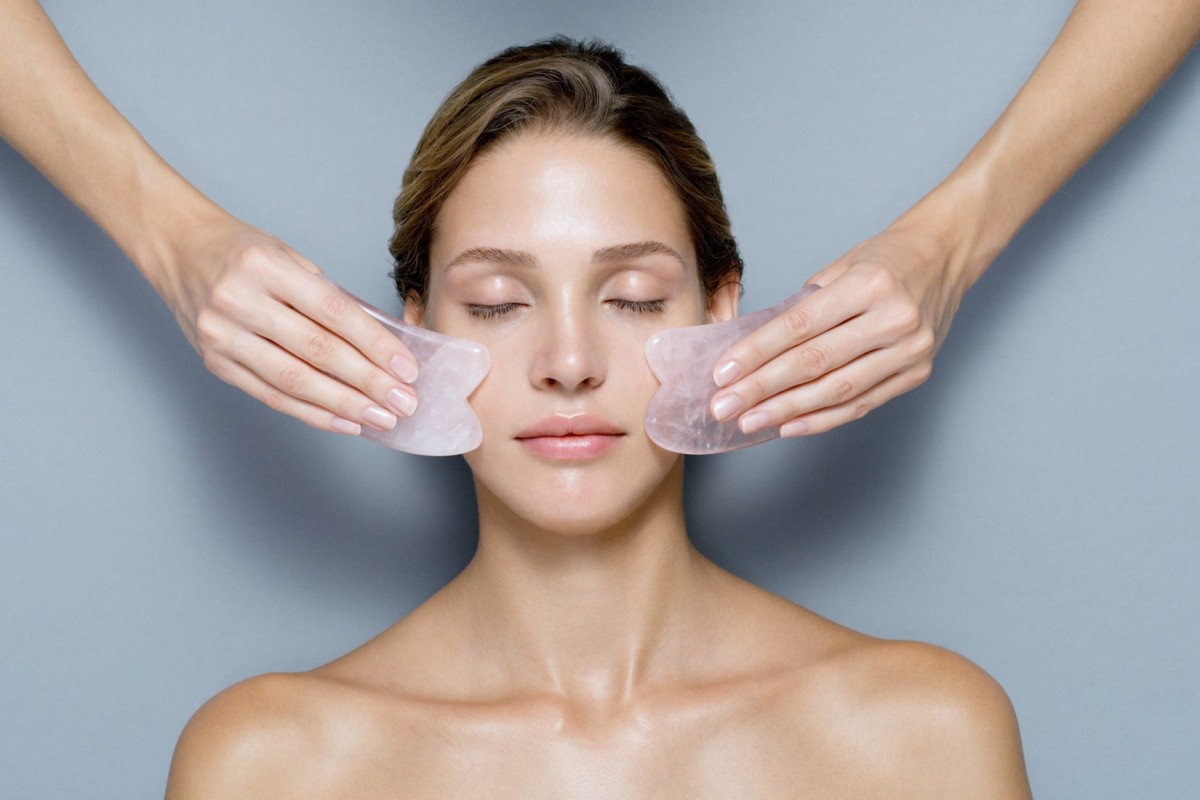
Hyaluronic acid is one of the best-known active ingredients in modern skin care. Whether face cream, serum or professional beauty treatment – it is hard to imagine the beauty world without hyaluronic acid. The reason: the natural substance provides intensive moisture, improves skin elasticity and ensures a fresh, plump complexion.
But what exactly is hyaluronic acid and why is it so popular?
/wp:post-content wp:heading
What is hyaluronic acid?
/wp:heading wp:paragraph {"align":"left"}
Hyaluronic acid is a substance produced by the body that occurs mainly in the connective tissue, in the skin and in the joints. Its most important property is its enormous ability to bind water.
This keeps the skin:
- well supplied with moisture,
- elastic,
- supple,
- resilient.
With increasing age, however, the body produces less and less hyaluronic acid. The skin loses moisture, firmness and elasticity – the first fine lines and wrinkles become visible.
/wp:paragraph wp:heading
What effect does hyaluronic acid have on the skin?
Hyaluronic acid can supply the skin intensively with moisture and thereby visibly improve the complexion.
The most important benefits include:
- intensive moisturising
- plumper-looking skin
- a smoother complexion
- improved elasticity
- a fresh complexion
- support for the skin barrier
Dry or mature skin in particular benefits from hyaluronic acid.
/wp:heading wp:paragraph
/wp:paragraph wp:paragraph {"align":"left"}
Does hyaluronic acid help against wrinkles?
Hyaluronic acid can visibly soften fine dryness lines by binding water in the skin. This makes the skin look smoother and plumper.
Deep wrinkles do not disappear completely as a result, but the complexion as a whole can appear fresher and more even.
/wp:paragraph wp:paragraph
/wp:paragraph wp:heading
/wp:heading wp:paragraph
/wp:paragraph wp:heading
Who is hyaluronic acid suitable for?
Hyaluronic acid is suitable for almost every skin type.
It is particularly recommended for:
- dry skin
- dehydrated skin
- first wrinkles
- mature skin
- sensitive skin
- a dull complexion
Combination skin or oily skin also often benefits from light hyaluronic serums.
Hyaluronic acid in cosmetics
Today hyaluronic acid can be found in numerous care products:
- face creams
- serums
- ampoules
- masks
- eye care
Depending on the molecule size, hyaluronic acid works differently:
/wp:heading wp:paragraph
High-molecular hyaluronic acid
- works on the skin surface
- provides instant moisture
- has a smoothing effect
Low-molecular hyaluronic acid
- can penetrate deeper into the upper layers of the skin
- supports long-term moisturising
Many high-quality products combine both forms.
Professional treatments with hyaluronic acid
Besides daily skin care, hyaluronic acid is also used in professional beauty treatments.
At the most beautiful we use hyaluronic acid, for example, in combination with:
As the skin is particularly receptive after these treatments, moisturising active ingredients can be absorbed optimally.
/wp:paragraph wp:heading
/wp:heading wp:paragraph
Frequently asked questions
/wp:paragraph
Yes. Hyaluronic acid occurs naturally in the human body.
Yes. Hyaluronic acid is ideal for daily skin care.
In most cases, yes. It is considered a very well-tolerated active ingredient.
From the mid-20s, the body's own hyaluronic acid production slowly begins to decline. Moisturising care with hyaluronic acid can therefore make sense from an early age.
Conclusion
Hyaluronic acid is one of the most effective moisturisers in modern skin care. It helps the skin to store moisture, improves elasticity and ensures a fresh, plump complexion. Whether as a serum, cream or professional beauty treatment – hyaluronic acid is a valuable addition to the daily care routine for many skin types.
Get individual advice at the most beautiful in Salzburg and find the right treatment for your skin together with our team.
Duration, price and procedure are on the treatment page.