
Radiofrequency skin tightening: effect, procedure & side effects
How does radiofrequency work on the skin? Learn everything about skin tightening, the procedure, results, side effects and radiofrequency on the face.
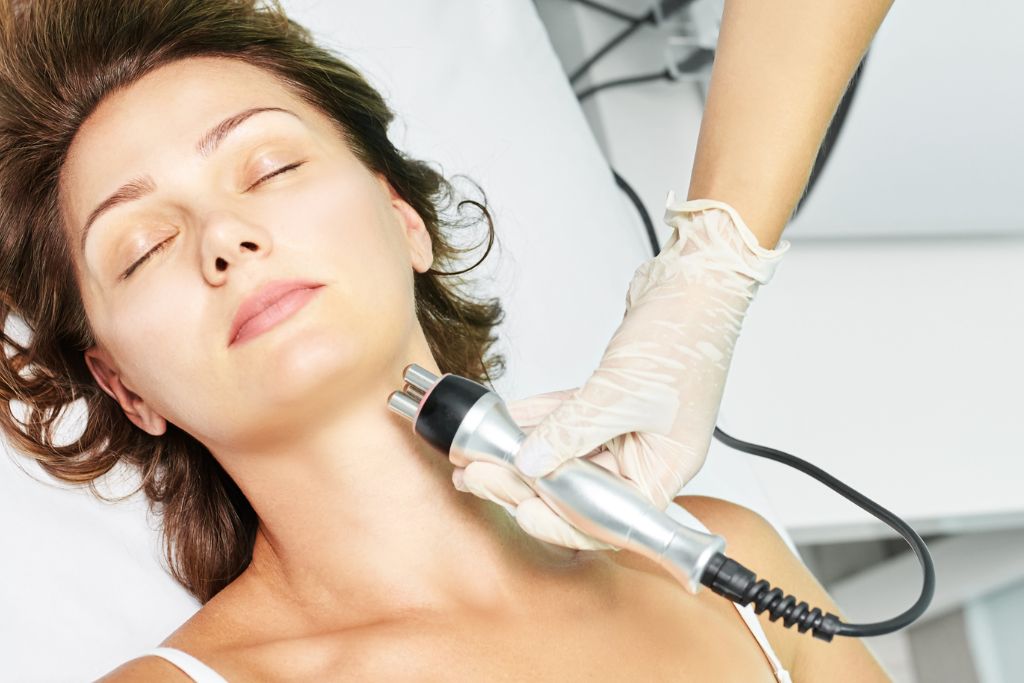
Radiofrequency skin tightening is one of the most popular non-invasive methods in device-based cosmetics. Controlled heat acts in deeper layers of the skin and can support the natural processes that are important for collagen, elasticity and firmness of the skin.
But how exactly does a radiofrequency treatment work? When are results visible? And what side effects can occur?
In this guide we answer the most important questions about radiofrequency on the face.
What is a radiofrequency treatment?
A cosmetic radiofrequency treatment uses electromagnetic energy to heat deeper tissue in a controlled way.
The skin surface is not deliberately injured.
The heating can stimulate natural regeneration processes. That is why radiofrequency is used in anti-ageing in particular to make the skin appear firmer and smoother.
How does skin tightening with radiofrequency work?
Collagen and elastin play an important role in the firmness of our skin. With increasing age, their structure and production change, which can cause the skin to lose firmness.
In a radiofrequency treatment, the tissue is heated in a controlled way.
This heat can:
- influence existing collagen structures
- support the skin's natural regeneration processes
- stimulate new collagen formation
- improve skin texture
The result therefore does not develop only during the treatment itself. Changes can also become visible over the following weeks.
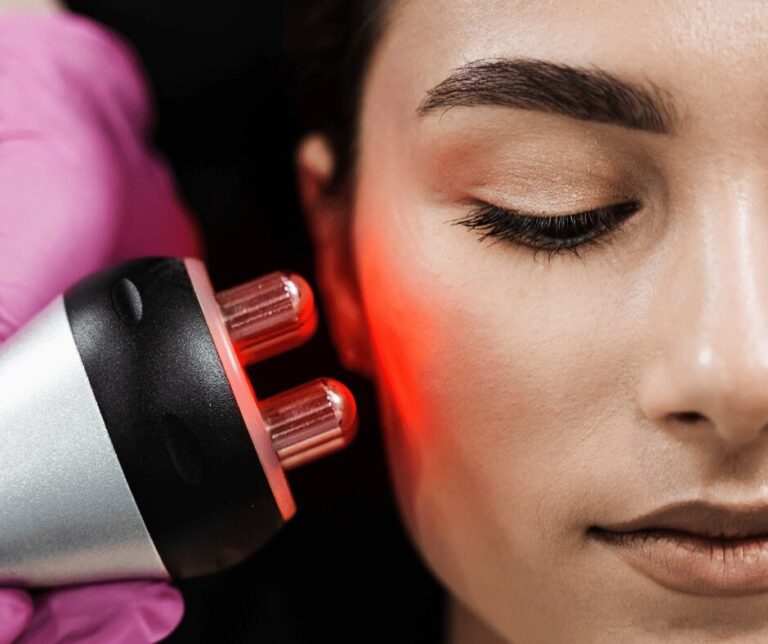
Radiofrequency on the face – which areas can be treated?
Radiofrequency is used particularly often on the face.
Typical treatment areas are:
- forehead
- eye area
- cheeks
- nasolabial area
- chin
- jawline
- neck
Which areas can usefully be treated depends on the individual condition of the skin.
What does a radiofrequency treatment achieve?
The aim of a cosmetic radiofrequency treatment is above all to improve skin texture and firmness.
The treatment can help to:
- make the skin look firmer
- visibly soften fine lines
- make facial contours appear more defined
- improve skin texture
- support collagen formation
- promote a fresher complexion
How strong the effect is varies from person to person.
When do you see results?
The skin may already look fresher or firmer directly after a treatment.
However, the processes that matter in the long term take time. Collagen is not rebuilt within a few minutes.
That is why the complexion can continue to develop over several weeks.
For more noticeable results, a series of several treatments can be useful.
How many radiofrequency treatments do you need?
The optimal number depends on the skin's condition and the desired result.
Often several sessions are carried out as part of a treatment series.
Key factors include:
- age and skin condition
- existing firmness
- desired result
- body area treated
- individual reaction of the skin
A professional skin analysis helps to create a suitable treatment plan.
Is radiofrequency painful?
A classic cosmetic radiofrequency treatment is normally felt as warm.
However, individual sensitivity to heat differs from person to person.
During the treatment, care should therefore be taken throughout to make sure the application feels comfortable.
What side effects can radiofrequency have?
Even with a non-invasive cosmetic treatment, temporary skin reactions are possible.
After a radiofrequency treatment, the following may occur, for example:
- slight redness
- a feeling of warmth
- temporary sensitivity
- slight swelling
These reactions are usually temporary.
Whether a radiofrequency treatment is suitable for you should be assessed individually before the treatment.
Is there any downtime?
A classic cosmetic radiofrequency treatment does not normally involve any extended downtime.
Many people can go straight back to their everyday lives afterwards.
How the skin reacts, however, is individual.
Who is radiofrequency skin tightening suitable for?
Radiofrequency is particularly interesting for people who:
- notice the first signs of skin ageing
- want to improve declining firmness
- are looking for non-surgical skin tightening
- want to reduce fine lines
- want to support their facial contours
Which treatment makes sense for your personal skin goal should be decided after a skin analysis.
Radiofrequency or microneedling?
Radiofrequency and microneedling are both used to improve the complexion, but work on different principles.
Radiofrequency uses controlled heat and focuses in particular on firmness and skin tightening.
Microneedling uses very fine needles to create small micro-channels in the skin and is used for skin texture, scars, pores and fine lines, among other things.
Which treatment is more suitable depends on the individual complexion and the desired result.
Radiofrequency or ultrasound?
Ultrasound is also used in cosmetics, but it is not the same as radiofrequency.
Radiofrequency works with electromagnetic energy and controlled heating of the tissue. Ultrasound, on the other hand, uses sound waves.
The two technologies have different areas of application and should therefore not be equated with each other.
How long does the effect of a radiofrequency treatment last?
How long a result lasts is individual.
It depends on factors including:
- age
- skin condition
- number of treatments
- lifestyle
- sun exposure
- the natural ageing process
Since the skin continues to age, touch-up treatments may be useful later on.
Radiofrequency is a device-based treatment method in which electromagnetic energy heats the tissue in a controlled way. It is used in particular to support skin tightening and collagen formation.
Radiofrequency is often used on the face, especially for declining firmness and the first signs of skin ageing. Whether the treatment is suitable depends on the individual condition of the skin.
An initial freshening or tightening effect can be visible straight away. Changes through natural regeneration and collagen processes, on the other hand, develop over a longer period.
Temporary redness, a feeling of warmth, sensitivity or slight swelling are possible.
That depends on the skin's condition, the treatment and the desired result. Often several sessions are carried out as a treatment series.
A classic non-invasive radiofrequency treatment usually involves no extended downtime.
Radiofrequency treatment in Salzburg
Would you like to get to know radiofrequency not just in theory but receive professional advice?
At the most beautiful in Salzburg we offer a radiofrequency facial with an individual skin analysis.
You can find all information on price, duration and booking on our radiofrequency treatment page.
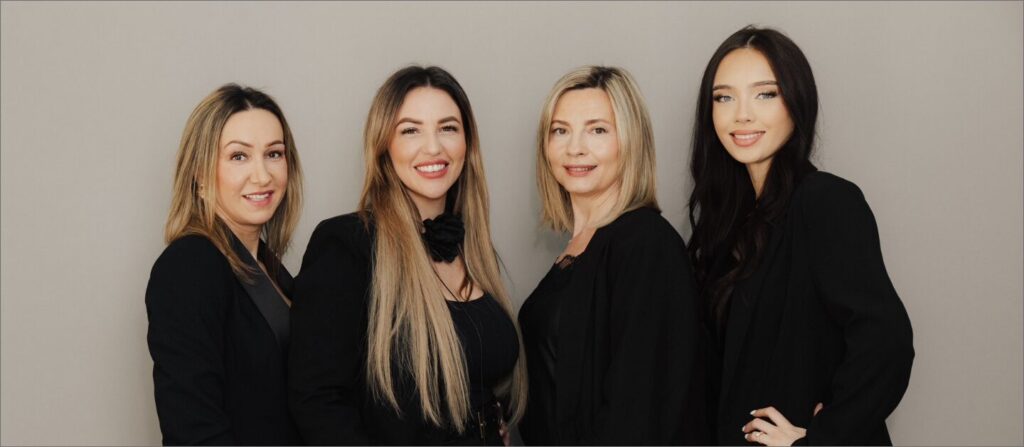
Your medical beauty therapist
Antonia Einy
Duration, price and procedure are on the treatment page.